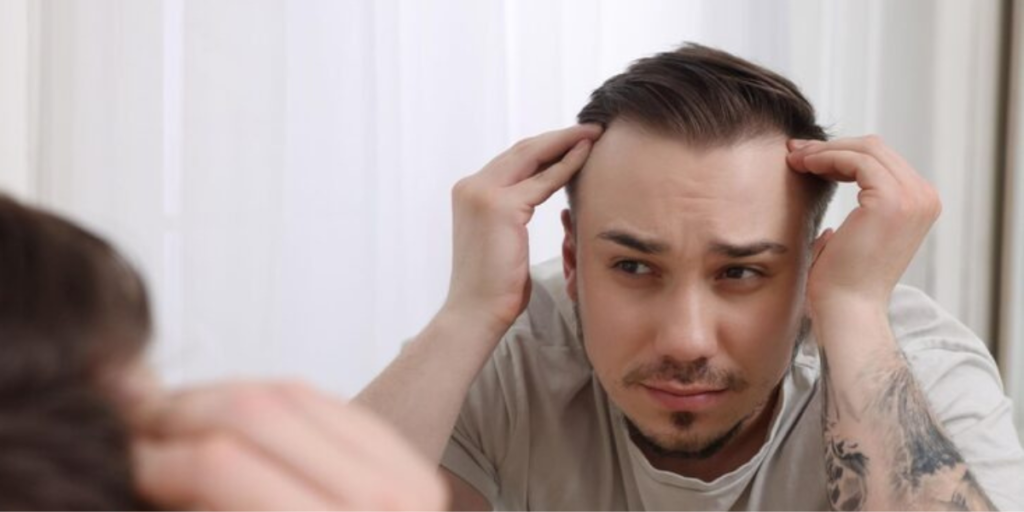
You look in the mirror after a fresh colour and think your hair looks thinner. Or you notice more strands in the shower and your mind jumps straight to one scary question: can dying hair cause baldness?
It’s one of the most common worries men and women bring up when they start colouring, and the honest answer sits somewhere between “no” and “it depends”.
The Short Answer
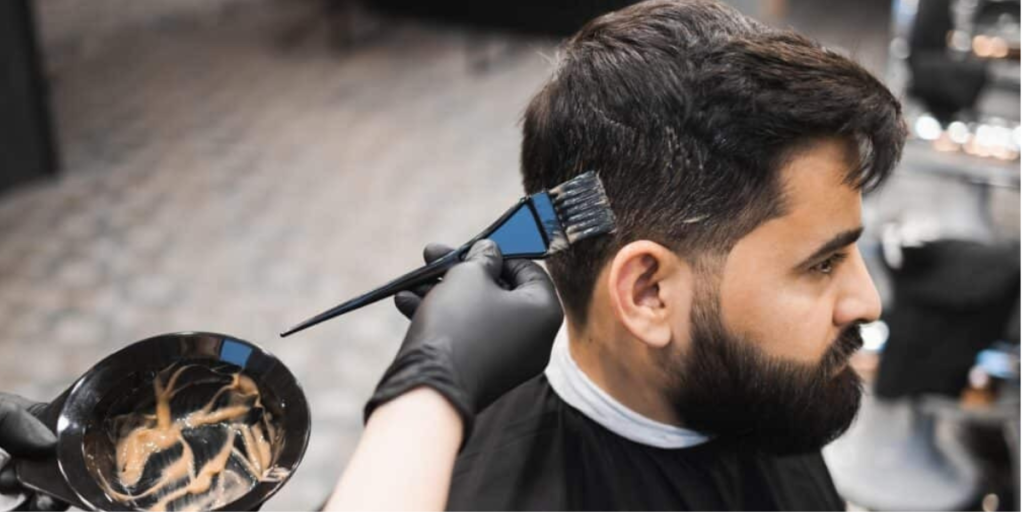
Dye on its own won’t turn you bald. Dermatologists generally say hair dye doesn’t cause hair loss and doesn’t stop your body from growing hair. The part that does get hurt is the hair you can already see. Dye mostly affects the visible hair rather than the root under your scalp, and true hair loss from dye is rare.
But “no permanent baldness” isn’t the same as “no problem”. Dye can make hair snap, shed more than usual, or react badly with a sensitive scalp. All three can look a lot like hair loss. That’s what the rest of this guide is about.
Why Your Hair Can Look Thinner After Dyeing
There are three things going on, and it helps to know which one you’re dealing with.
1. Breakage (the most common one)
Colouring is a chemical process. The chemicals damage protein inside the hair shaft, which weakens it and lets it break off. The hair isn’t falling out from the root. It’s snapping partway along the strand, so you lose bulk without losing follicles.
Lightening makes it worse. Brown hair dyed blond tends to break more than brown hair dyed brown, and the amount of peroxide and ammonia in the product decides how weak the hair gets. If you’re going from dark to platinum, expect your hair to need more care than someone doing a simple tone-on-tone.
2. Extra shedding
Frequent colouring can also tip more hairs into the shedding phase. Ammonia and hydrogen peroxide can loosen hairs that are already in the resting phase, and frequent colouring sessions can increase shedding. Dye can’t reach hair that’s still developing under the scalp, so it can’t harm hair that hasn’t grown yet.
Rough handling plays a part too. Colouring involves a lot of combing and rubbing, which can loosen hair that’s been treated.
3. Scalp irritation or an allergic reaction
This is the one people overlook. A sore, itchy or inflamed scalp isn’t a happy place for hair to grow. When dye is linked to real hair loss, it’s usually an irritant or allergic reaction, and a severe one can amount to a burn. Follicle scarring from this is unusual, but it does occasionally happen.
The ingredient most often behind reactions is PPD. The NHS says PPD causes most reactions to hair dye, and that symptoms usually show up within 48 hours.
So What Does Cause Baldness?
If you’re a man noticing a receding hairline or a thinning crown, the real culprit is almost certainly genetics, not your last colour.
Male-pattern hair loss is highly heritable, and up to 80% of European men experience some degree of it in their lifetime. Your genes decide how your body responds to a hormone called DHT, which is related to testosterone. Unlike temporary shedding, male pattern baldness is permanent and progressive.
Here’s where dye gets wrongly blamed. People who are already losing hair often dye, bleach or perm it to hide the thinning, so the two happen together without one causing the other. You start colouring because your hair is thinning, then you assume the colour did it.
Stress is another popular suspect. Stress alone doesn’t cause male pattern baldness, though it may speed up hair loss that’s already underway.
Breakage, Shedding or Real Balding? How to Tell the Difference
| Breakage from dye | Temporary shedding | Pattern baldness | |
|---|---|---|---|
| What you see | Short, snapped hairs, frizz, a “stringy” feel | More hairs on the pillow and in the shower | Receding hairline, thinner crown, widening parting |
| Where | Mid-length and ends | All over | Temples, crown, top |
| Is it permanent? | Grows out once damage stops | Usually settles down | Yes, without treatment |
| Likely cause | Bleach, ammonia, over-processing | Frequent chemical treatments, stress, illness | Genetics and DHT |
A simple check: look at the hairs that fall out. If you see a small white bulb at the end, that’s the root coming out. If the strand is short and has no bulb, it snapped.
How to Dye Your Hair Without Damaging It
You don’t have to give up colour. Most of the damage is avoidable.
- Do a patch or strand test first. The NHS suggests testing the dye on a strand at least 48 hours before you use it, even if you’re using your usual brand.
- Wear gloves and follow the timings. Don’t leave dye on longer than the instructions say.
- Space your colours out. Spacing out your dye appointments helps limit breakage. Touching up just the roots instead of re-dyeing everything also reduces stress on the lengths.
- Go gentler if you’ve reacted before. If you’ve had a reaction to a permanent dye, the NHS advises choosing a non-permanent one.
- Use colour-safe products. Products made for colour-treated hair can help strengthen strands that dye has weakened.
- Think twice about big jumps. Dark to blond in one sitting is the hardest thing you can ask of your hair. If you want it, have it done properly and build in recovery time.
- Get a professional to do it. A barber or colourist can judge your hair’s condition, pick the right strength and avoid overlapping dye onto already-processed hair.
When to See a Doctor
Dye isn’t always the reason, so don’t guess if things aren’t improving. See your GP or a dermatologist if:
- you have patchy hair loss or you can see scalp in specific areas
- your scalp is painful, burning, blistered or very itchy after colouring
- shedding carries on for months after you’ve stopped dyeing (if it does, the cause may not be the dye alone)
- you get swelling of the face or any trouble breathing. That’s an emergency, so call 999.
Quick FAQs
Can dying hair lead to balding?
Not in the pattern-baldness sense. It can cause breakage, extra shedding or, in rare cases, scarring after a severe reaction, but it doesn’t trigger the genetic type of baldness.
Can you go bald from dying your hair too much?
Overdoing it can leave your hair brittle and thin-looking, and may cause a lot of shedding. Permanent loss from dye alone is uncommon. Cut back, condition well and let it recover.
Does hair dye stop hair growing?
No. Dye doesn’t stop or slow hair growth, because it can’t reach the hair developing beneath your scalp.
Is bleach worse than normal dye?
Generally, yes. Lightening needs stronger chemicals, and the more peroxide and ammonia involved, the more weakening you get.
Should I stop dyeing if my hair is falling out?
If you’re shedding a lot or your scalp is irritated, pause the colour and get advice. It’s not worth pushing through.
The Bottom Line
So, can dying hair cause baldness? Not the permanent, receding-hairline kind. That’s down to your genes. What dye can do is damage the hair you already have, increase shedding and, if you react to an ingredient, irritate your scalp. Colour sensibly, test first and look after your hair afterwards, and you’ll keep both the look and the density.
This article is general information, not medical advice. If you’re worried about hair loss, speak to your GP or a dermatologist.
Thinking of Changing Your Colour?
At Modern Barbers in Wolverton, we do hair colour from £10, alongside men’s haircuts, fades and beard trims. Walk-ins are always welcome, 9am to 9pm, seven days a week at 111 Church Street, Wolverton MK12 5LB. Check our prices or get in touch and our barbers will talk you through the safest way to go.